Updated August 25, 2026

Regular preventative maintenance is always a good idea. The cliché, “An ounce of prevention is worth a pound of cure,” is especially true when it comes to your home’s plumbing, electrical and HVAC systems.
As summer winds down and routines begin to settle back in, fall is a great time to take care of home maintenance before colder Pacific Northwest weather arrives. Testing your heating system, addressing small plumbing problems and checking a few electrical items now can help you catch potential issues before they become bigger repairs or unexpected disruptions later in the season.
We’ve put together a short list of fall home maintenance tips to help prepare your home for the months ahead. Some are simple tasks you can handle yourself, while others are best left to a trained professional.
Schedule Fall Furnace Maintenance Before Cold Weather
Test your heating system before you actually need it. The last thing you want is to discover your heat isn’t working on the first cold night of the season. Turning your system on early gives you a chance to catch potential problems before colder weather arrives and your heating equipment is working its hardest.
Whether your home is heated by a furnace or a heat pump, pay attention to how the system responds when you turn on the heat. Are you getting warm air from the vents? Do you notice unusual odors, noises or airflow issues? If something doesn’t seem right, it’s better to have it checked now than wait for a breakdown when temperatures drop.
Scheduling fall heating maintenance can also help identify smaller issues before they become more expensive repairs. On furnaces, a technician can inspect the equipment, airflow, thermostat and other components to make sure the system is ready for the heating season. Fall furnace maintenance is especially helpful after the system has gone unused through the warmer months.
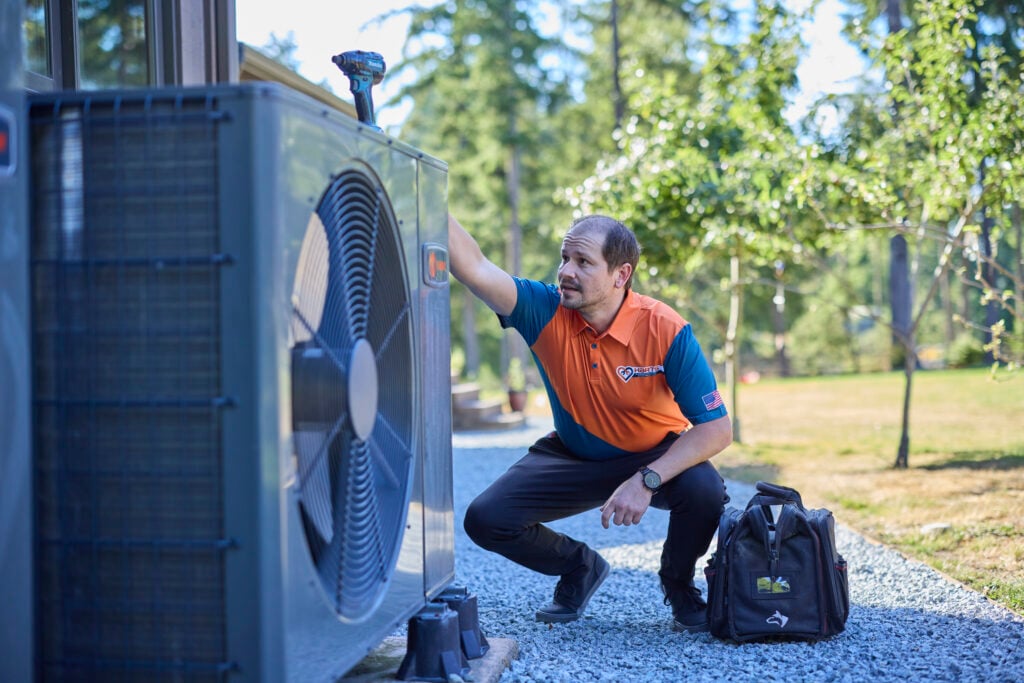
Heat pumps also benefit from seasonal maintenance because they work differently than traditional furnaces and may operate throughout much of the year for both heating and cooling. A technician can evaluate system performance, airflow and the indoor and outdoor equipment to make sure your heat pump is prepared for colder weather.
Taking care of fall HVAC maintenance early in the season can give you greater confidence that your heating system is ready when you really need it.
Take Care of Plumbing Problems You’ve Been Putting Off
Summer is busy with vacations, activities, yardwork and everything else competing for your attention. It’s easy to put off small plumbing problems like dripping faucets, slow drains, running toilets, low water pressure or minor leaks.
But small plumbing issues can become larger and more expensive if they’re ignored. Early fall is a good time to take care of those lingering problems before colder weather arrives and before holiday schedules make home projects even easier to postpone.
If the issue is something you’re comfortable fixing yourself, now is a good time to tackle it. If it turns into more than you expected, the licensed plumbers at Harts can help diagnose the problem and recommend the right repair.
A slow drain may seem like a minor inconvenience, for example, but it can be an early sign of a developing blockage. Likewise, recurring leaks, changes in water pressure or a toilet that won’t stop running are worth addressing before they lead to wasted water, damage or a more disruptive repair.
Tackle Larger Home Projects Before the Holidays
If you’ve been meaning to upgrade from a standard to a tankless water heater, install a new heating or cooling system, or make an electrical upgrade, fall can be a convenient time to tackle larger home projects.
Your schedule may still be busy once summer ends, but getting back into a more predictable routine can make these projects easier to plan. If the water, HVAC system or electricity needs to be temporarily shut off during the work, it may be easier to schedule that disruption when fewer people are home during the day.
Fall also gives you time to complete larger projects before colder weather and the holiday season arrive. Whether you’re considering a new HVAC system, a tankless water heater or an electrical panel upgrade, planning ahead can help you avoid putting the project off until the busiest part of the year.
Fall Home Maintenance Tasks You Can Do Yourself
Not every fall maintenance task requires a professional. There are several simple things you can check around your home that can help your HVAC, plumbing and electrical systems stay ready for the season ahead.
Change Your HVAC Air Filter
After a summer of wildfire smoke, pollen and other airborne particles, your HVAC filter has been working overtime. Fall is a good time to check the filter and replace it if needed before your heating system begins running more frequently.
A clean filter helps maintain proper airflow, reduces strain on your HVAC system and can help support better indoor air quality. How often your filter needs to be changed depends on the type of filter, your HVAC system and factors such as pets, allergies and how frequently the system runs.
While you’re at it, make sure supply and return vents throughout your home aren’t blocked by furniture, rugs or other items. Keeping airflow unrestricted can help your heating system operate more effectively as temperatures begin to drop.
If you have a heat pump or other outdoor HVAC equipment, take a quick look around the unit as well. Clear away leaves, weeds and other debris that could restrict airflow, and keep the surrounding area open so the equipment has room to operate properly throughout the fall and winter.
Check Your Water Heater
Back-to-school season can put more demand on your water heater, with morning showers, dishes and laundry all happening around the same time. Fall is a good time to give the system a quick check before colder weather increases hot-water use even more.
For a standard tank water heater, look for visible leaks, rust or corrosion around the tank and connections. Check the thermostat setting, which is commonly set around 120°F, and pay attention to the water coming from your faucets. Rust-colored water, unusual odors or changes in hot-water performance can be signs that the system needs attention.
Unusual popping or rumbling noises can also indicate sediment buildup inside the tank. Periodic water heater maintenance can help remove sediment, support efficient operation and identify developing problems before they become larger repairs. Learn more about why water heaters should be flushed.
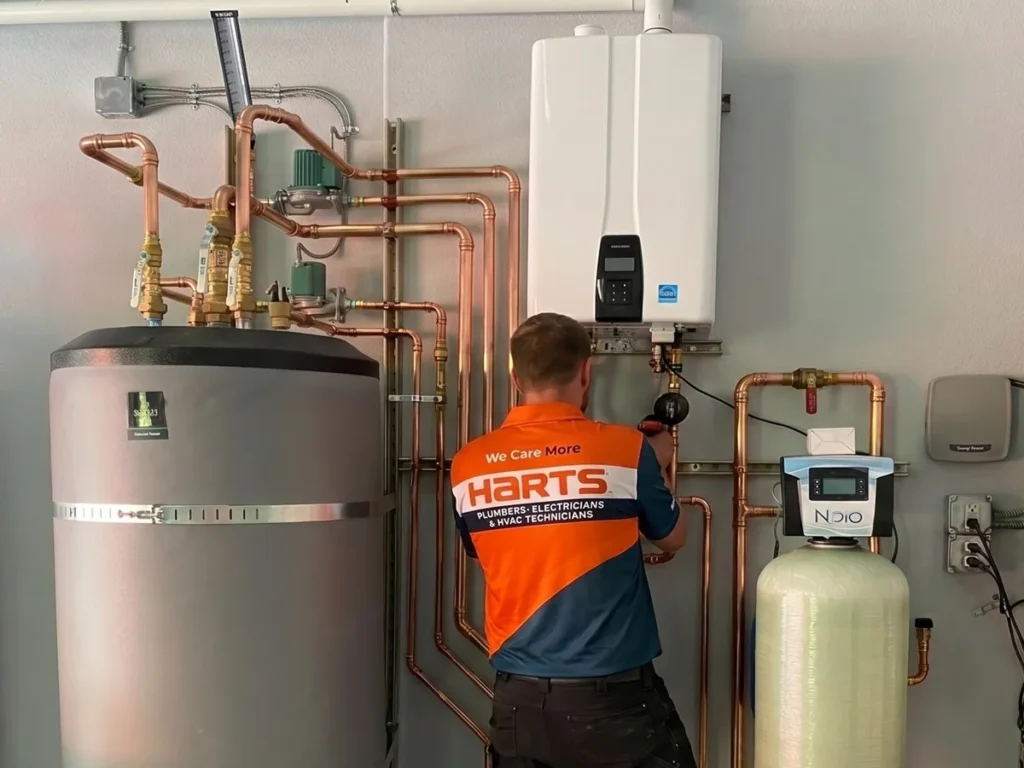
If you have a tankless water heater, check the digital display for error codes and look for any visible leaks or signs of corrosion around the unit. Avoid opening or adjusting internal components yourself. If something doesn’t look right, it’s best to have a professional inspect the system.
Winterize Outdoor Plumbing Fixtures
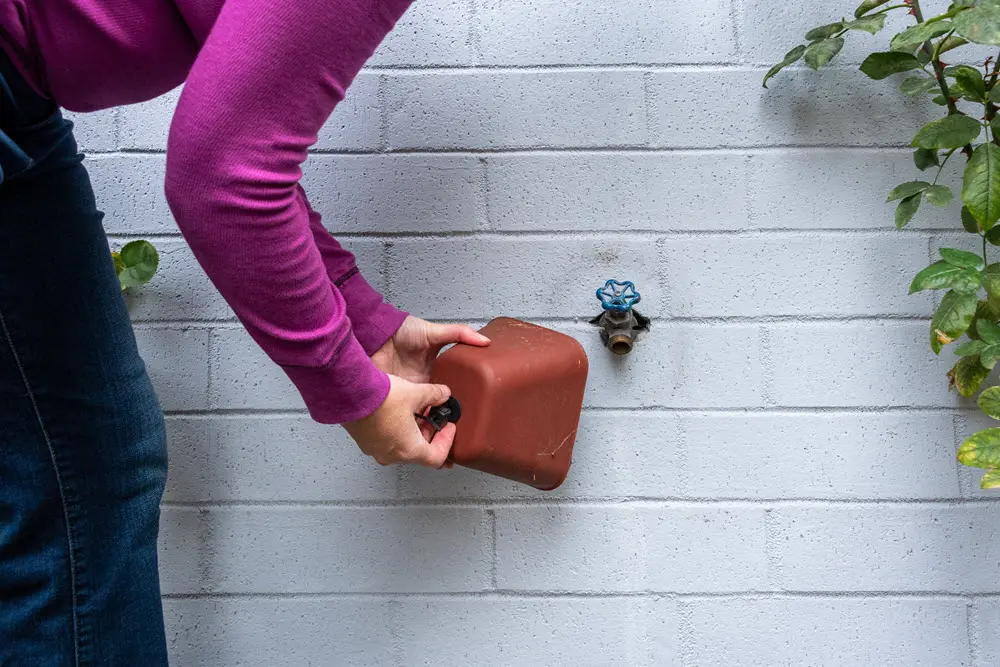
Before freezing temperatures arrive, take a few minutes to prepare your outdoor plumbing. Disconnect garden hoses from exterior faucets, drain any remaining water and consider installing insulated faucet covers to help protect exposed fixtures during cold weather.
If your home has exposed pipes in a crawl space, garage or other unheated area, visually check that they are adequately insulated. Taking these steps before the first freeze can help reduce the risk of frozen pipes and the water damage that can occur if a pipe bursts.
Not every home or outdoor faucet requires the same type of protection, so if you’re unsure what your plumbing needs, learn more about faucet covers and freeze protection or have a Harts plumber take a look.
Review Your Thermostat Schedule
As school and work routines settle back in, your home may be empty for longer stretches during the day than it was over the summer. Fall is a good time to review your thermostat schedule and make sure your heating and cooling settings still match how your household actually uses the system.
If you have a programmable or smart thermostat, adjust the schedule so the system isn’t heating or cooling an empty house the same way it would when everyone is home. You can also set different temperatures for sleeping hours, mornings and evenings to improve comfort without making unnecessary adjustments throughout the day.
If your thermostat is outdated, difficult to program or no longer holds a consistent temperature, it may be worth considering an upgrade. A smart thermostat can make it easier to manage temperature settings, adjust your system remotely and better match your HVAC use to your daily routine.
Test Your Smoke and Carbon Monoxide Detectors
Fall is also a good time to test your smoke and carbon monoxide detectors and replace batteries as needed. As homes are closed up more often and heating systems begin running again, working detectors are an important part of seasonal home safety.
Use the test button on each detector to make sure it is functioning properly, and replace batteries if they are low or if your alarms begin chirping. If a detector is damaged, outdated or not responding correctly, replace the unit according to the manufacturer’s recommendations.
Prepare Your Electrical System for Fall and Winter
Fall and winter can put different demands on your home’s electrical system. Shorter days mean more lighting, families tend to spend more time indoors using appliances and electronics, and Pacific Northwest wind and rain can increase the risk of power outages and electrical surges.
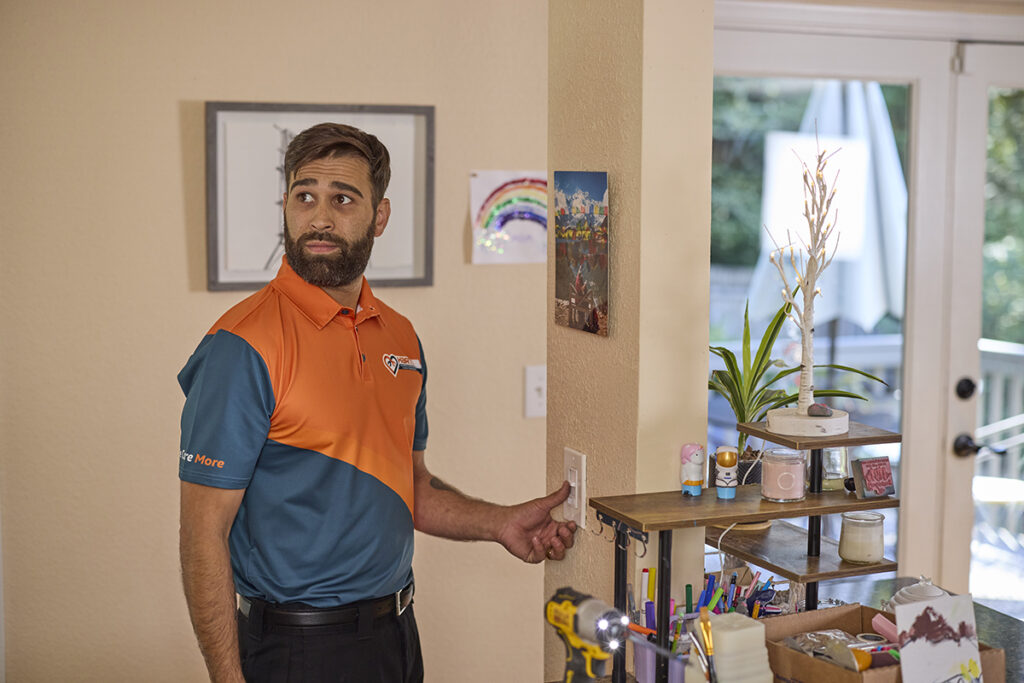
Before the season gets underway, take a few minutes to check the electrical items around your home that are safe to inspect yourself. If you notice damaged equipment, recurring breaker trips, unusual sounds or other concerns, have a licensed electrician take a closer look.
Check Your Outdoor Lighting
As daylight hours get shorter, outdoor lighting becomes even more important around walkways, entrances, driveways and other areas of your property. Turn on your exterior lights and replace any bulbs that have burned out before you find yourself doing it on a dark, rainy evening.
While you’re checking the lights, visually inspect exterior fixtures and outlet covers for cracks, damage or signs of moisture. Outdoor electrical outlets should be GFCI protected and have weather-resistant covers designed to help protect them from the wet conditions common during fall and winter.
If you’ve been considering an outdoor lighting upgrade, fall can also be a good time to explore longer-lasting, energy-efficient LED fixtures, motion-activated lighting or dusk-to-dawn controls that make it easier to keep outdoor areas illuminated as the days get shorter.
Prepare for Fall Power Outages
Fall and winter storms can bring wind, heavy rain and unexpected power outages across the Pacific Northwest. If your home loses power frequently, it may be worth thinking ahead about how long you can comfortably go without electricity and which systems or devices you would need to keep running.
A backup generator can help provide power during an outage, which may be especially important for households that rely on refrigerated medications, medical equipment, well pumps or other essential electrical devices.
Even if you aren’t ready to install a generator, fall is a good time to review your outage plan, make sure flashlights and batteries are easy to find, and identify which appliances or devices are most important to keep powered during an emergency.
Protect Your Home From Power Surges
Power outages aren’t the only electrical concern during fall and winter storms. Voltage surges can happen during severe weather, utility switching or when power is restored after an outage, and those spikes can damage appliances, electronics and other equipment connected throughout your home.
A whole-home surge protector can help reduce the risk of damage by diverting excess voltage before it reaches sensitive devices. It adds another layer of protection beyond individual plug-in power strips, especially for larger appliances and equipment that may not be connected to one.
If your home experiences frequent outages, flickering lights or other electrical issues, fall is a good time to have your system evaluated before storm season is in full swing.
Consider an Electrical Safety Check
As your family spends more time indoors during fall and winter, your home may also see increased electrical use from lighting, appliances, electronics, space heaters and eventually holiday decorations.
Pay attention to warning signs such as frequently tripped breakers, flickering lights, warm or discolored outlets, buzzing sounds or other unusual electrical behavior. These can be signs that part of your electrical system needs professional attention.
A professional electrical safety inspection can evaluate your panel, outlets, wiring and circuits for potential problems. This can be especially worthwhile in older homes or homes where the electrical system has been asked to support more devices and equipment over time.
Stay Ahead of Fall Home Maintenance
Fall home maintenance doesn’t have to mean tackling everything at once. Taking care of a few key tasks now can help you catch problems early, prepare your heating system for colder weather and reduce the chance of an unexpected plumbing or electrical issue later in the season.
For homeowners who want an easier way to stay on top of routine maintenance, the Harts Home Care Plan takes some of the guesswork out of keeping your home’s major systems maintained. The plan includes twice-yearly HVAC tune-ups, an annual plumbing and sewer safety check, and an annual electrical safety check.
Members also receive additional benefits including priority scheduling, waived trip fees and discounts on qualifying service work. Instead of trying to remember every seasonal maintenance task yourself, regular professional checkups give Harts technicians an opportunity to spot developing problems and recommend repairs before they become more disruptive.
Whether you need help preparing your heating system for colder weather, addressing a plumbing problem, checking your electrical system or planning a larger home project, Harts is here to help keep your home running smoothly through fall and the seasons ahead.
Ready to get your home prepared for fall? Give Harts a call or book your service online today.